

Sales Territory Mapping

Lead Scoring: turning theoretical potential into concrete sales priorities

Because not all opportunities are equal. And your field teams cannot handle everything.

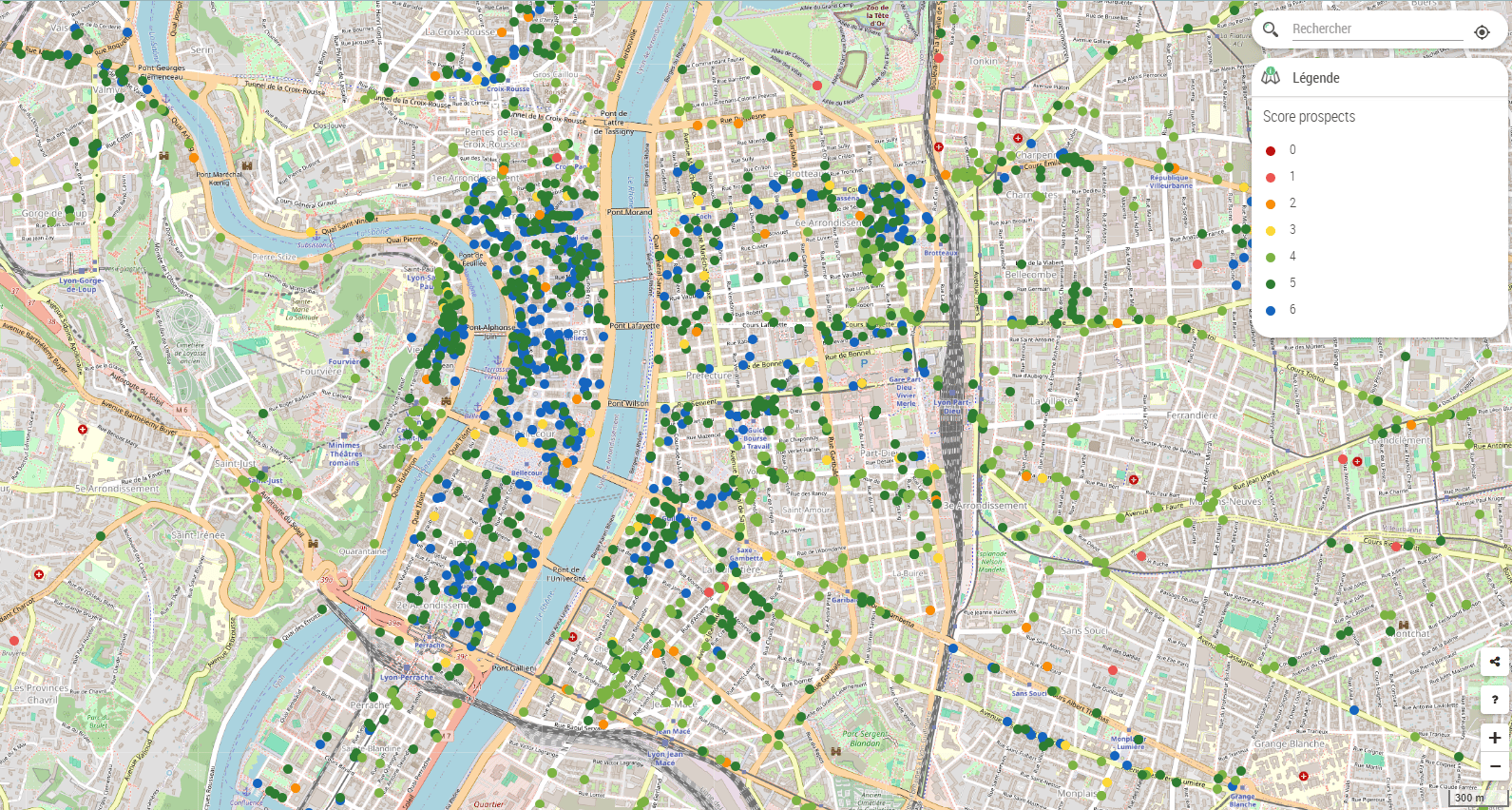
Scoring and sales territory mapping

Combine scoring and territory mapping to turn your data into an action plan and align your strategy with field reality.

Scoring and territory mapping

Scoring and territory mapping

Sales territory mapping aims to distribute territories, accounts, and prospects among sales representatives in a balanced, efficient, and sustainable way. With lead scoring, the logic changes: you no longer distribute lists, you distribute potential.


What scoring concretely changes in territory mapping

What scoring concretely changes in territory mapping

- A territory with few prospects but highly scored ones can be just as strategic as a dense territory with low-quality leads. - Targets become fairer, because they are aligned with actual potential. - Sales reps better understand their priorities. - Performance comparisons become more relevant. Scoring transforms territory mapping into a management tool, not just a geographical breakdown.

Detect potential

Scoring dimensions

Effective scoring relies on a combination of criteria, organized into complementary dimensions.

Dimension 1 - Intrinsic prospect potential

Dimension 1 - Intrinsic prospect potential

Does this prospect match our core target? Criteria: - company size, - industry sector, - estimated revenue, - typology. The more aligned the profile is with the offer, the higher the score.

Dimension 2 - Territorial potential

Dimension 2 - Territorial potential

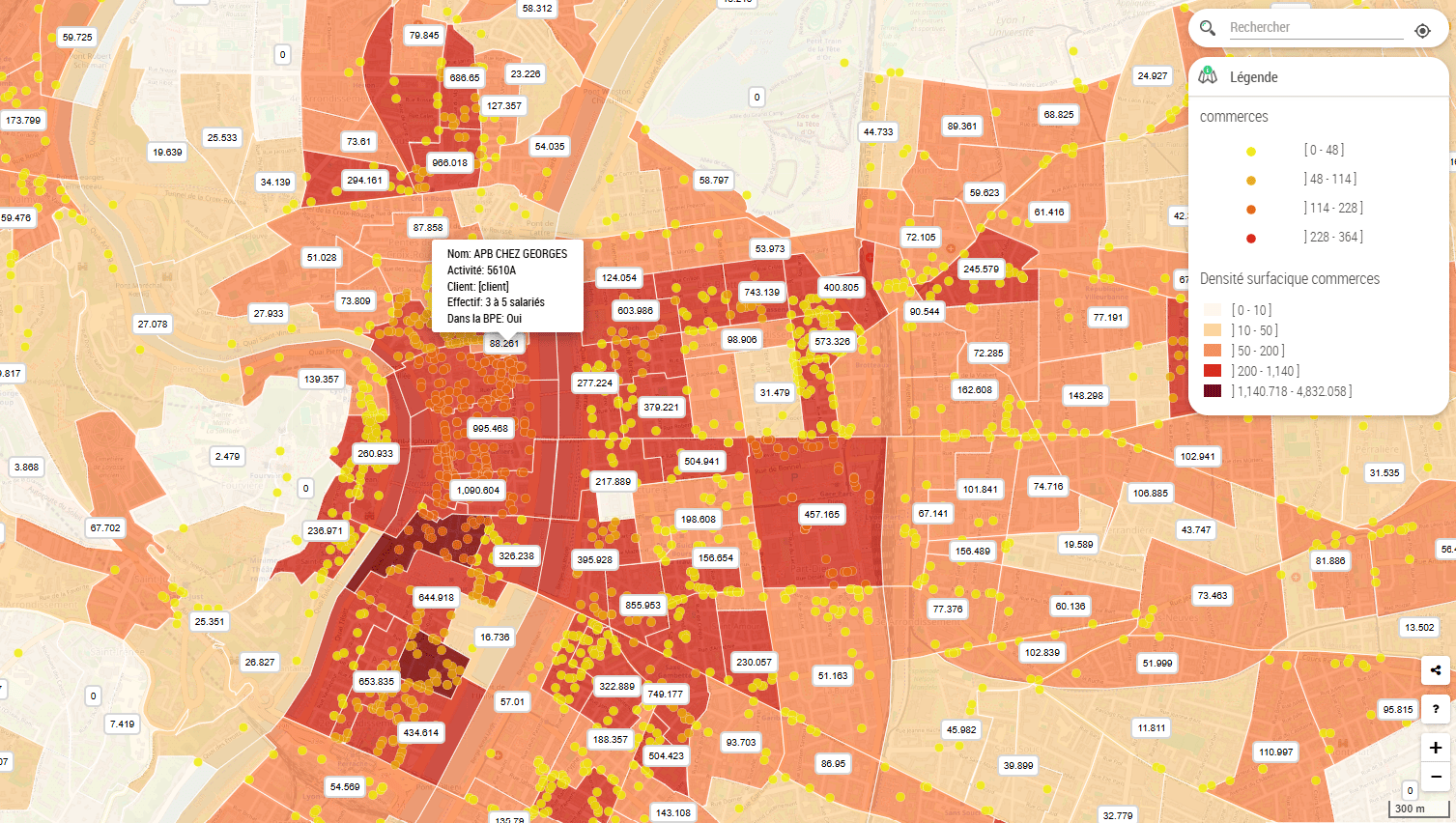
The same prospect does not have the same value depending on location. Geographic criteria: - high economic potential area, - density of existing customers, - proximity to a point of sale, - local market dynamics.

Dimension 3 - Sales accessibility

Dimension 3 - Sales accessibility

A highly interesting prospect that is difficult to reach may become low priority. Criteria: - distance / travel time, - integration into an existing route, - possible visit frequency, - logistical constraints.

Dimension 4 - Competitive pressure

Dimension 4 - Competitive pressure

Presence of direct competitors, local saturation, market maturity. An isolated prospect in a saturated area does not have the same value as a prospect in an open area.

Data Insight

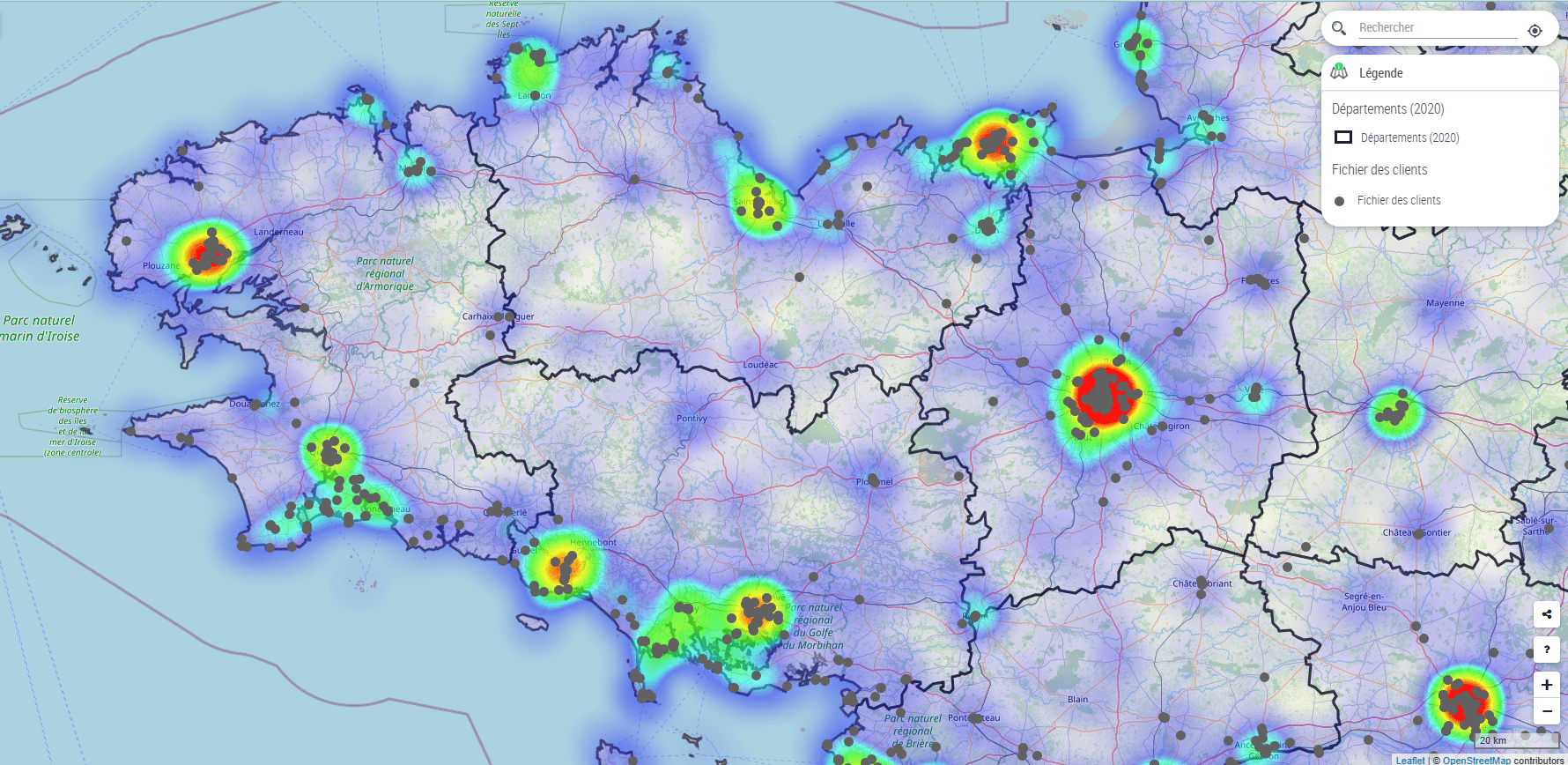
The data that powers scoring

The quality of scoring depends directly on the data available.

Prospect data

The richer and more precise the prospect data, the more relevant the scoring is for your use case.

  • Precise address
  • Prospect type
  • Activity / sector
  • Size or potential estimate

Territorial data

Territorial data guides and informs our insights

  • Urban typology
  • Catchment areas / living areas
  • Local socio-economic data

Internal sales data

Your own network data defines a unique identity that influences the scoring tailored to your use case.

  • Existing clients
  • Sales history
  • Conversion rate
  • Performance by zone

Scoring maturity levels

Lead scoring directs sales intelligence where it is most useful.

Level 1 - Simple scoring (basic prioritization)

Level 1 - Simple scoring (basic prioritization)

Data used: - prospect profile, - location. You get a simple ranking, an effective first sort, and an immediate clarity gain.

Icon

Level 2 - Geo-commercial scoring

Data used: - prospect profile, - territorial data, - accessibility, - internal benchmarks. You get refined prioritization, more balanced territories, and more efficient routes. Ideal for mature sales territory mapping.

Icon

Level 3 - Advanced and dynamic scoring

Data used: - detailed internal data, - performance history, - calibrated models, - competitive context. You get a predictive view of potential, evolving priorities, and a true sales management tool.

Prioritize your prospects starting tomorrow

Decide where to focus your sales efforts with structured and actionable scoring.

FAQ

Prerequisites for effective scoring

We answer your questions.